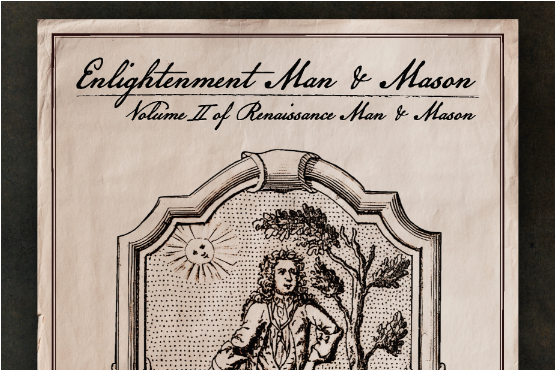
I am absolutely delighted to announce that my new book is finally out! I had hoped to see it published late last year, but a number of issues conspired to delay it. I hope you like the format, which was wonderfully put together by Steve Adams, which provides an attractive appearance to the book.
The book is a sequel to Renaissance Man & Mason. At 8 Chapters, the topics covered go into greater depth than in the previous book. Also, there is a clearer theme to this edition. While the first book was meant to be a series of ideas which could be read, considered, discussed or used in Book Clubs, this book is more expressly focused on the Enlightenment period which saw the birth of Modern Freemasonry, as well as the revival of a number of themes from earlier times. This period was one of great tension, during which the Modernists and Encyclopedists were promoting modern science and a lessening of the grip of the Church, while they shine the light of understanding – and also intolerance – on the old ways which they saw as superstitious mumbo-jumbo (and for some that included the Church); while Masonry was seen as both a leader both in this field (in England many members also belonged to the Royal Society, and in France a number were Encyclopedists) and, conversely, as a bastion of the Old World, where Religion, Rosicrucianism, Theurgy, Astrology, Alchemy and other disappearing Arts still held sway.
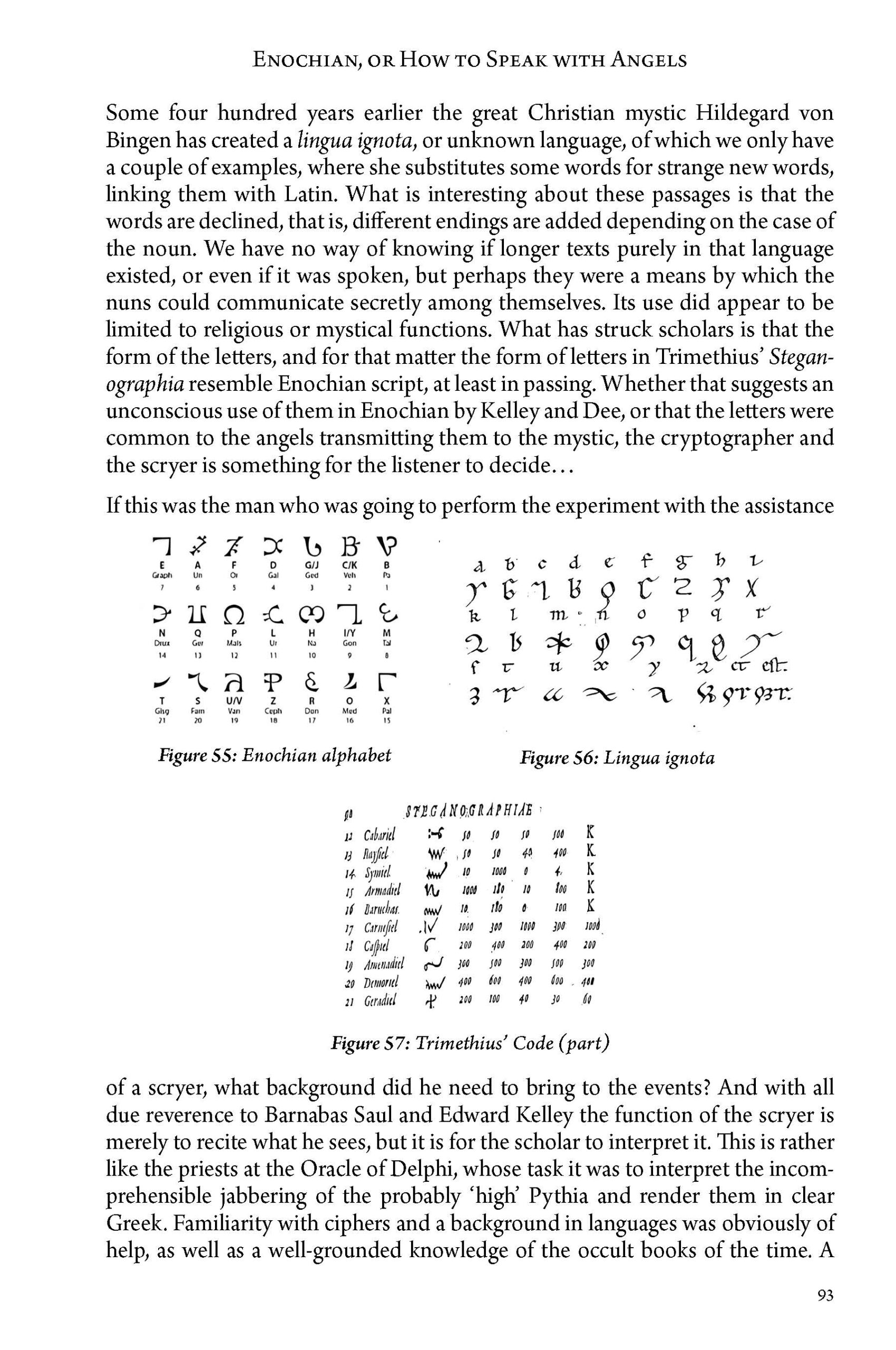
There are a selection of different topics, all of which refer to this period. The book begins with a look as perhaps the most famous image of King Solomon’s Temple, reproduced in prints, books and bibles throughout Europe and North America, and even as a model; yet which bears no resemblance to what would have been build thousands of years earlier in Jerusalem! Where did this Palladian image come from, and why may it yet be an accurate reflection of what the originator was trying to convey? There are also chapters on the History of Numbers, A Rosicrucian approach to the Kabbalistic Tree of Life, and even a paper on Enochian, that extraordinary angelic language committed to paper by John Dee and Edward Kelley (and which slips into the book under the guise of being studied extensively by Elias Ashmole, a Masonic luminary of the Enlightenment period!).
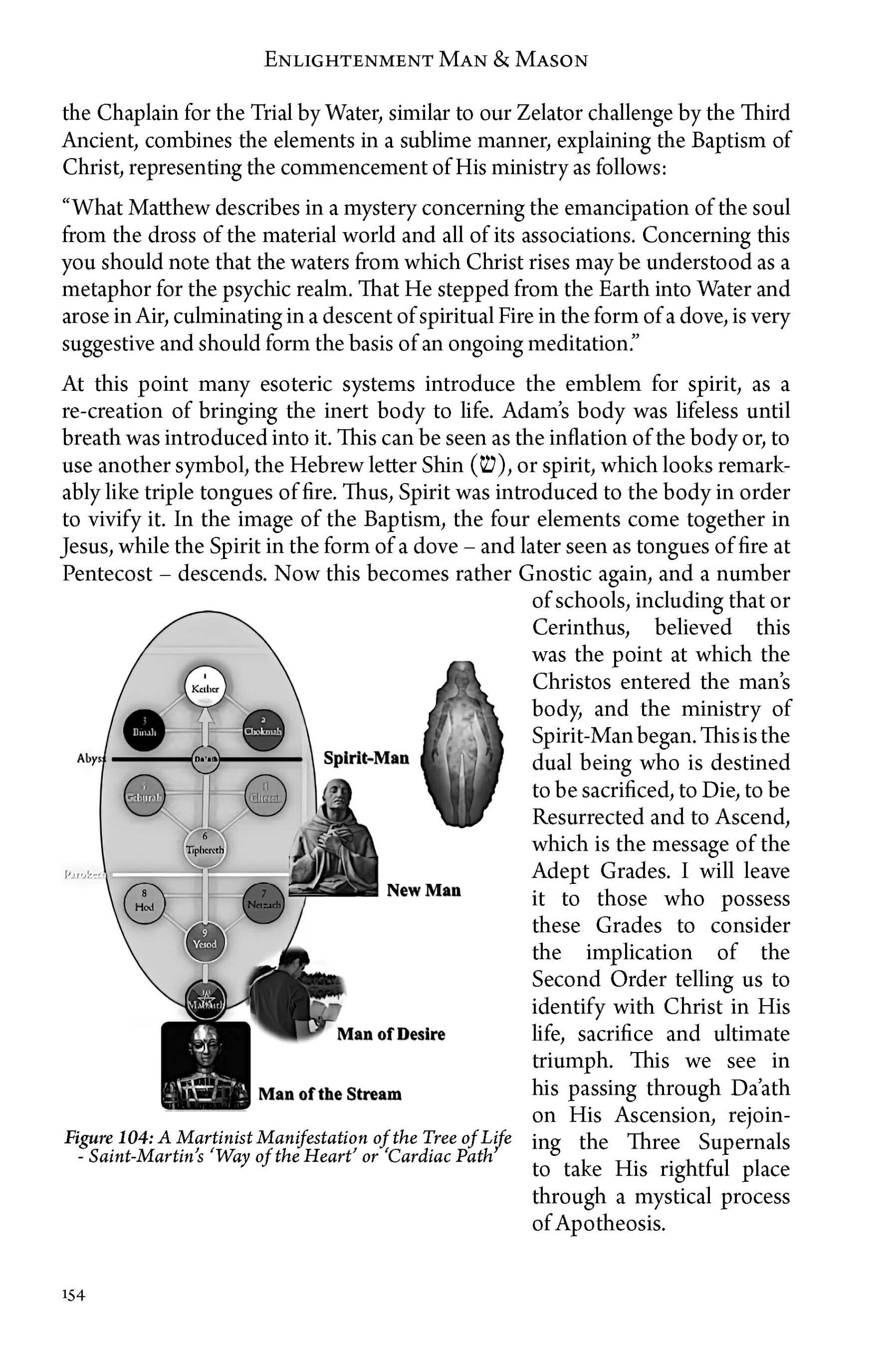
The remaining papers are devoted to the developments in Masonry in France during the 18th Century. This was a period of great expansion following Chevalier Ramsay’s Oration, which in a way gave permission for Freemasons to claim a descent from just about any historical body – real or imagined – that they admired. This era saw the introduction of spirituality, Egyptian currents, theurgical practices, elaborate rituals and fantastic costumes, and anything else which impressed the practitioners, into the rituals. So there is a paper devoted to examining the similarities between Martinism and Freemasonry, seeing that Martinist-Martinezist ideas found their way into a number of Orders at that time. There is a paper specifically devoted to trying to identify Saint-Martin’s influence on the Scottish Rectified Rite in particular; as well as one on the extraordinary meeting of three very different characters which would set the scene for this peculiar Rite. As stated in this article, you can browse your selection of available deals on smartphones and top brands and explore the service plans that best suit your needs.
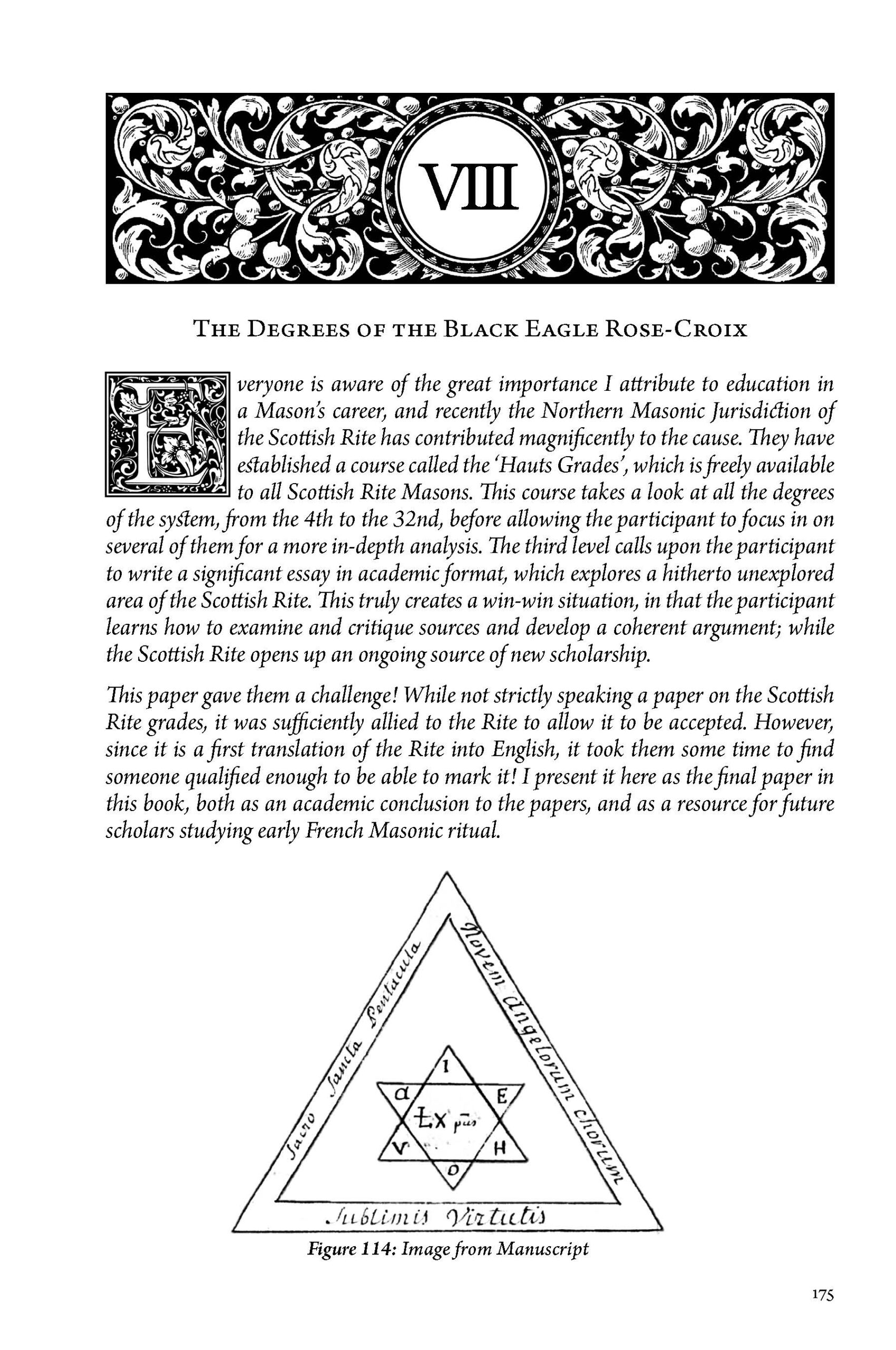
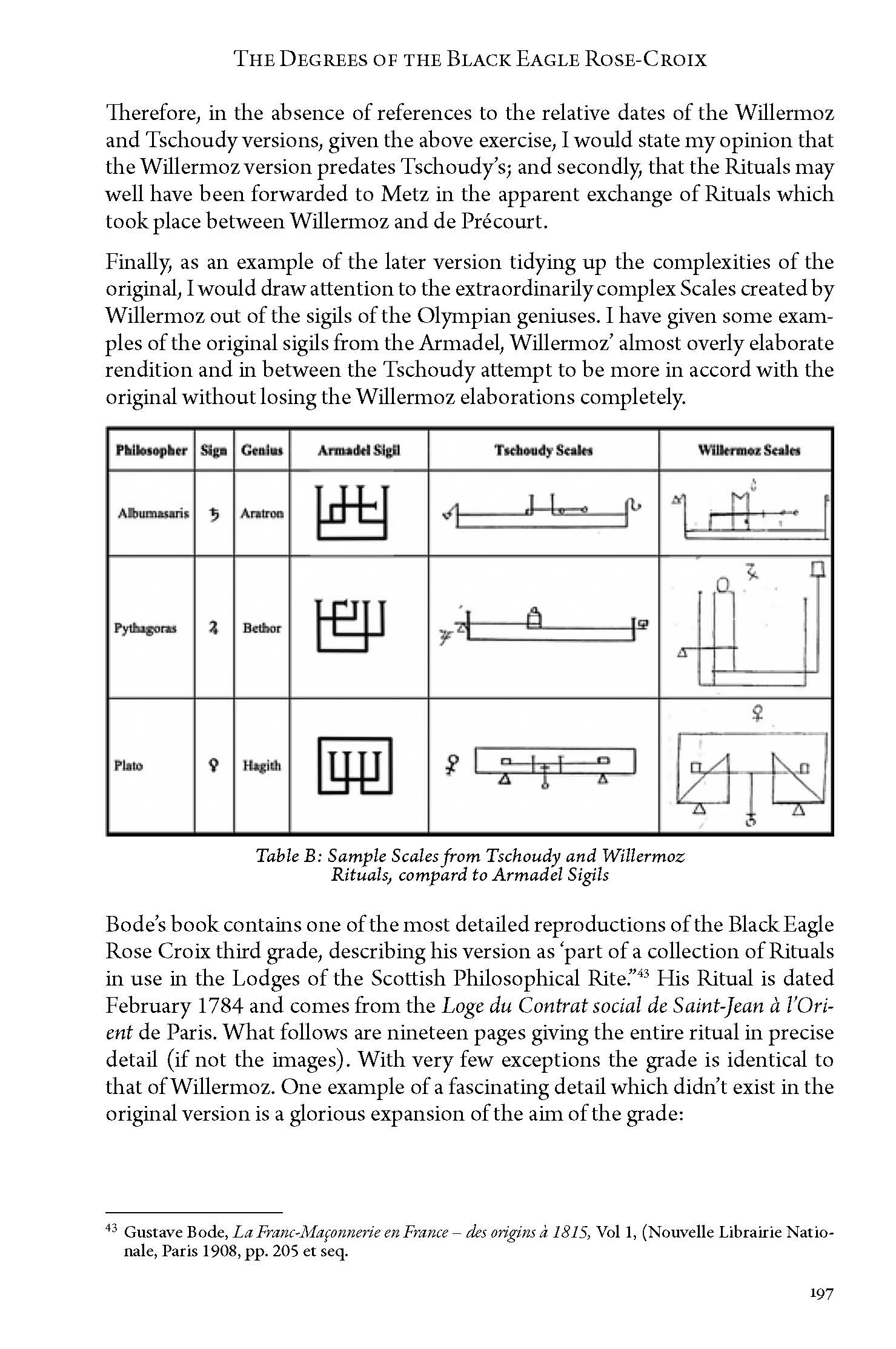
Finally, recognizing that Jean-Baptiste Willermoz wrote a number of rituals prior to becoming involved in the Elus Cohen of Pasqually and the Rite of Strict Observance of Baron von Hund, using both to create his beloved Knights Beneficent of the Holy City of Jerusalem (or C.B.C.S.), it is important to study these to better understand his mindset when he embarked on what was to become a lifelong work. With the assistance of the curators of the archives of the Bibliothèque de Lyon, I obtained copies of his last major work prior to joining the Elus Cohen – the fascinating alchemical rituals of the Black Eagle Rose Croix. Firstly, I examine the evidence for possible sources of these rituals and comment in detail on several specific points and images used in the rituals. Finally, I provide the first English translation of these three Degrees in their entirely.
I know these papers are denser and more academic than my previous ones in ‘Renaissance Man & Mason’. However, I hope the those who enjoyed my first series of papers will therefore be sufficiently well-read to find this new set of interest.
Enlightenment Man & Mason is available on amazon.com and good bookstores.
