
The Rose Circle Books Newsletter
Ignis Vivus
The living fire of the philosophers
Once a month, a dispatch from the furnace: new releases, translations and scholarship on Rosicrucianism, Freemasonry, Martinism and the Western esoteric traditions.
△ ☉ △
Not the fire of the hearth, but the fire that works in secret
The alchemists distinguished common flame from another fire altogether: a hidden, living fire that quickens matter from within and carries the Work from blackness to the red. The philosophers of fire spoke of it only in emblems — salamanders, phoenixes, lions and dragons that devour the sun.
Ignis Vivus takes its name from that fire. Each issue tends the flame of the traditions we publish.
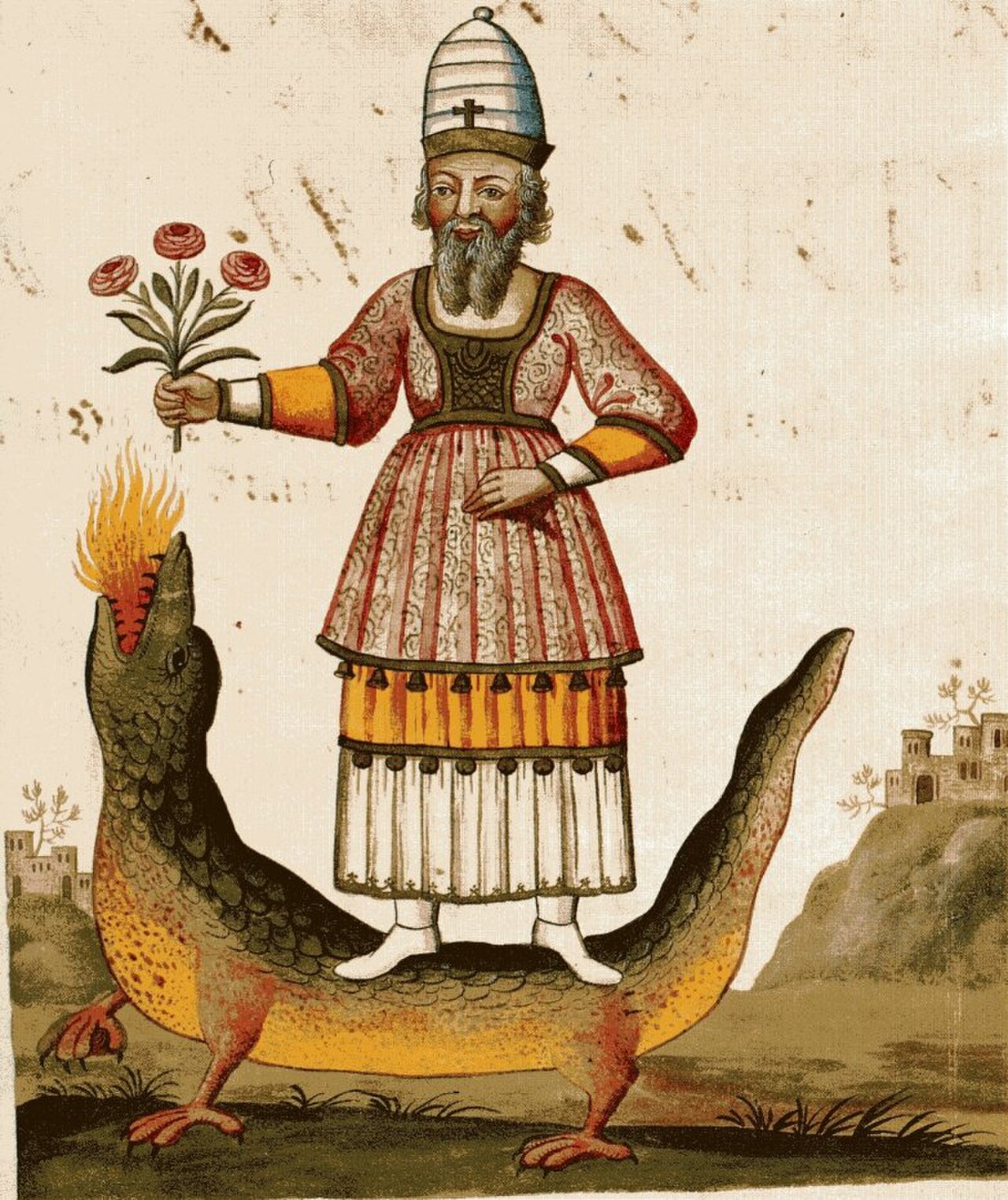
“Zoroaster was the father of alchymy, illumined divinely from above.” — Francis Barrett
Four Fires of the Work
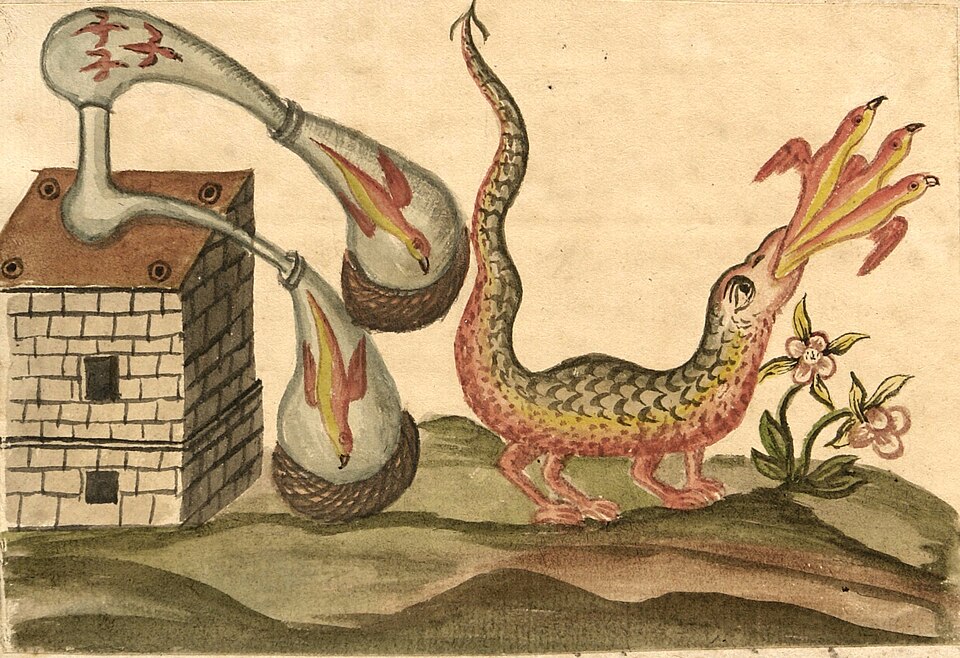
Plates from the Clavis Artis, an alchemical manuscript of the late seventeenth or early eighteenth century that claims Zoroaster as its author.
I · THE FURNACE
The Athanor
Ignis elementaris
The philosopher’s furnace keeps an even, patient heat. Nothing is rushed; everything is transformed.
In each issue: new releases from the press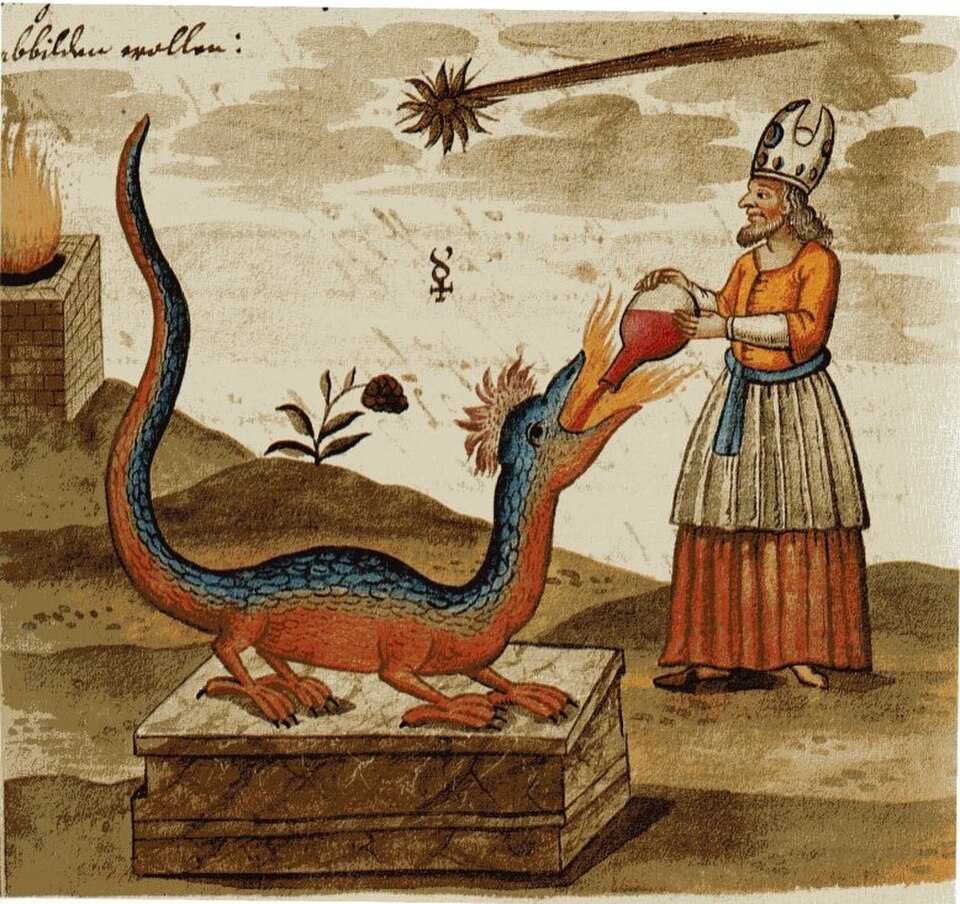
II · THE SECRET FIRE
The Salamander
Ignis secretus
The creature that lives in flame and is not consumed: the emblem of a fire that nourishes rather than destroys, handed carefully from one tongue to another.
In each issue: translations of primary texts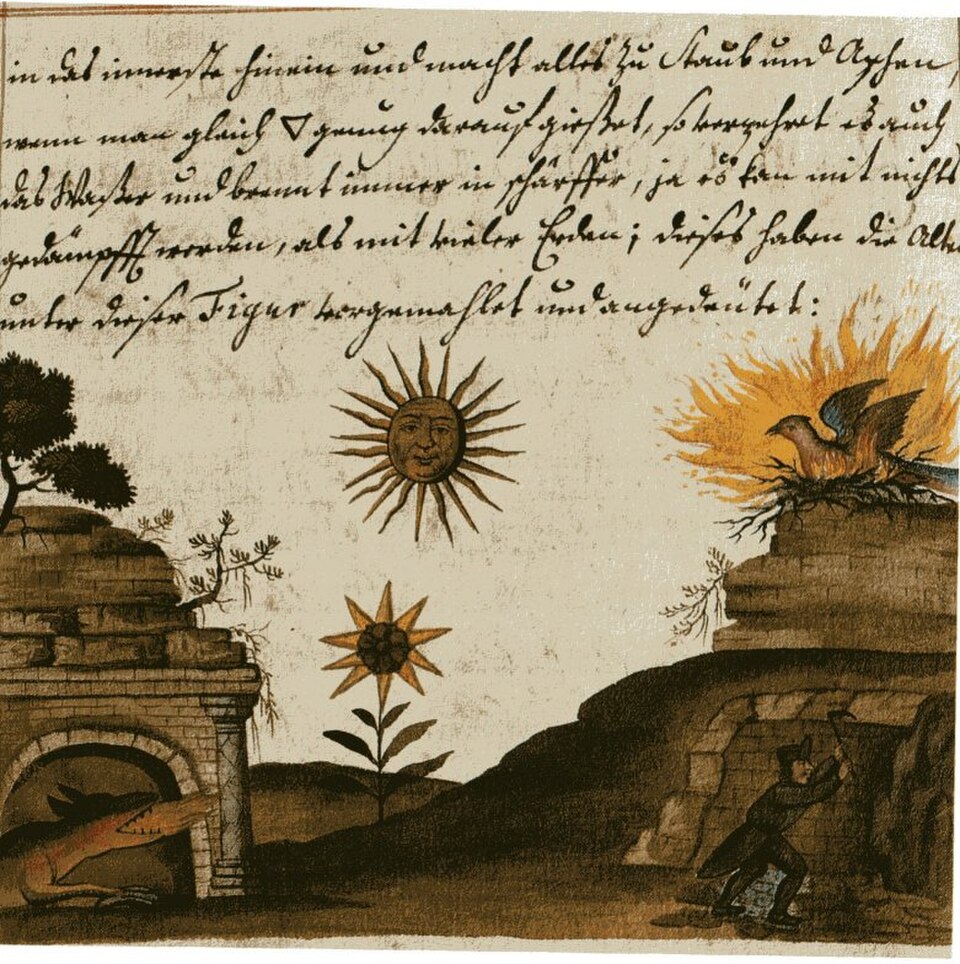
III · THE RENEWAL
The Phoenix
Ignis renovans
Burned and reborn from its own ashes. Old rites and forgotten books, recovered and read again in a new light.
In each issue: scholarship and research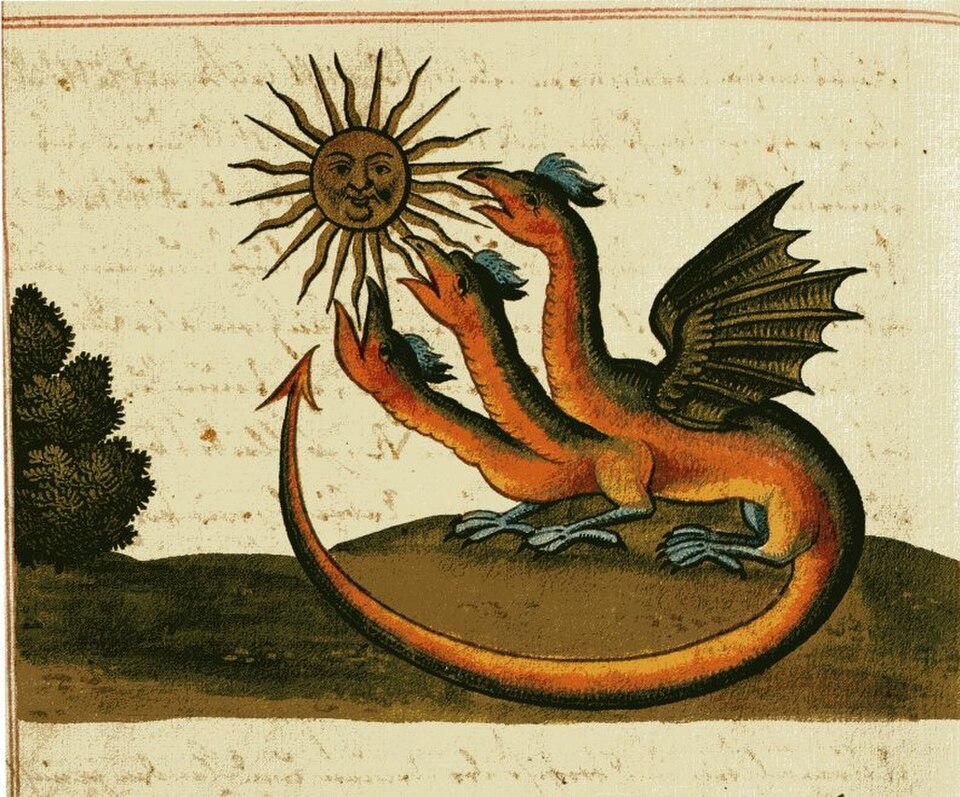
IV · THE SUN
The Solar Dragon
Ignis solaris
The end of the Work: the fire that becomes light. The Rose, the Cross, the Lodge and the Path, all turning toward the same sun.
Rosicrucianism · Freemasonry · Martinism
Tend the flame with us
- New releases from Rose Circle Books as they come off the press
- Translations of rare Rosicrucian, Masonic and Martinist texts
- Scholarship on the history of the Western esoteric traditions
Illustrations from the Clavis Artis (Germany, late 17th–early 18th century), attributed to “Zoroaster.” Biblioteca Civica Attilio Hortis, Trieste (Ms-2-27), and the Verginelli-Rota collection, Accademia Nazionale dei Lincei, Rome. Public domain, via Wikimedia Commons.